Introduction to Plumbing Basics
Plumbing can seem daunting if you're not familiar with the technical terms and systems involved. As a homeowner in Thousand Oaks, CA, understanding the basics can empower you to handle minor issues and make informed decisions when hiring professionals. This guide aims to demystify plumbing by breaking down complex concepts into simple terms.
How Your Home Plumbing System Works
Your home's plumbing system is a network of pipes and fixtures designed to bring fresh water in and take waste water out. The system is divided into two subsystems: the water supply system and the drainage system.
Water Supply System
The water supply system brings clean water into your home and is under pressure to ensure water reaches all fixtures. It consists of:
- Main Water Line: The main water line connects your home to the city's water supply.
- Shutoff Valves: Located where the water line enters your home, these valves allow you to turn off water flow in case of a leak or for repairs.
- Hot and Cold Water Lines: These distribute water to various fixtures, with cold water coming directly from the main line and hot water passing through a water heater.
Drainage System
The drainage system removes wastewater from your home. It's gravity-driven and includes:
- Drain Pipes: These sloped pipes carry wastewater away from fixtures to the main sewer line.
- Traps: U-shaped pipes under sinks that hold a small amount of water to prevent sewer gases from entering your home.
- Vent Pipes: Allow sewer gases to escape and prevent pressure imbalances that could disrupt drainage.
Common Plumbing Terms Simplified
Understanding some key plumbing terms can help you communicate more effectively with professionals and handle minor repairs:
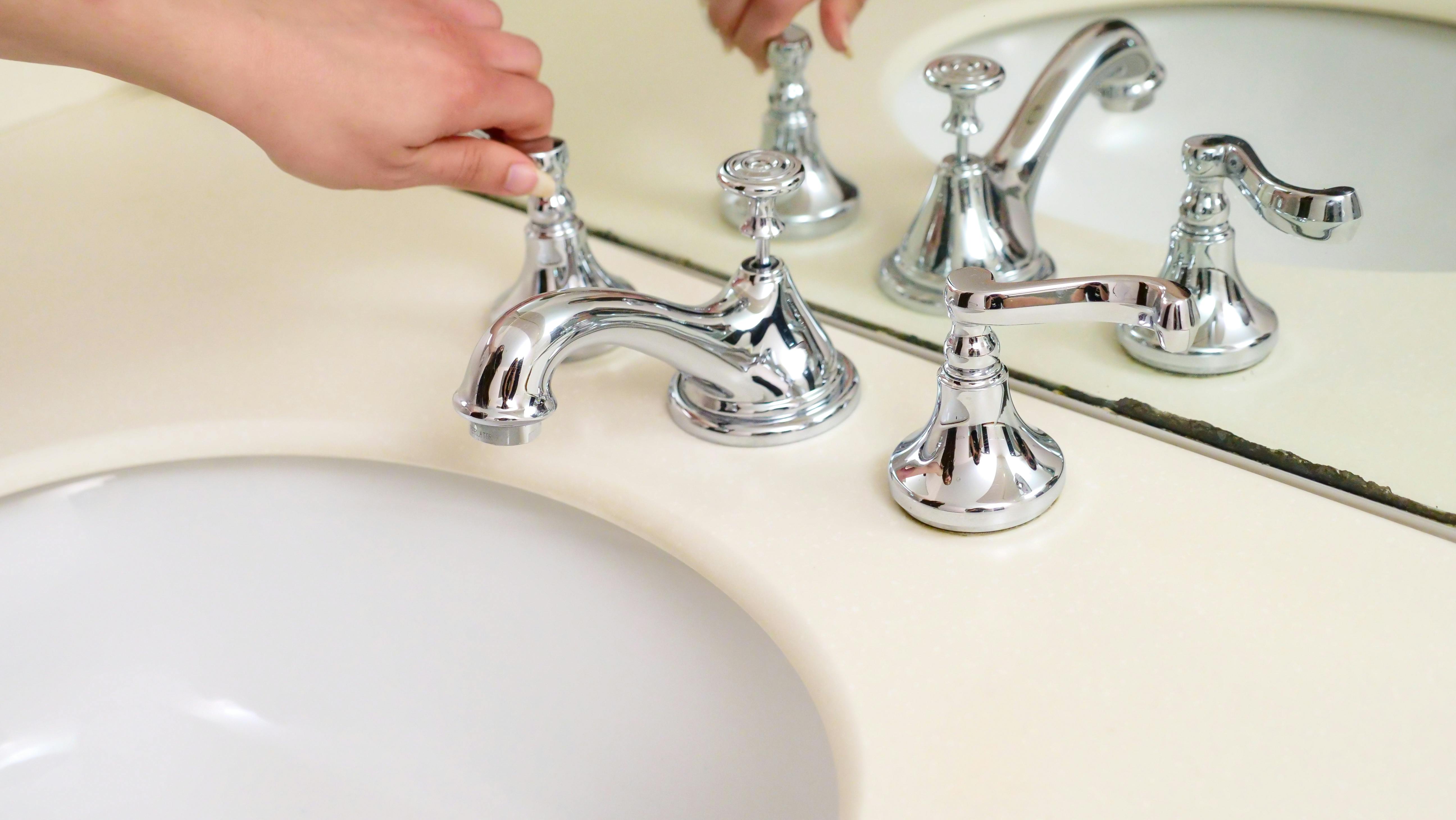
- Fixture: Any plumbing device that dispenses or drains water, such as faucets, toilets, and showers.
- Faucet Aerator: A small screen attached to a faucet's spout that controls flow and reduces splashing.
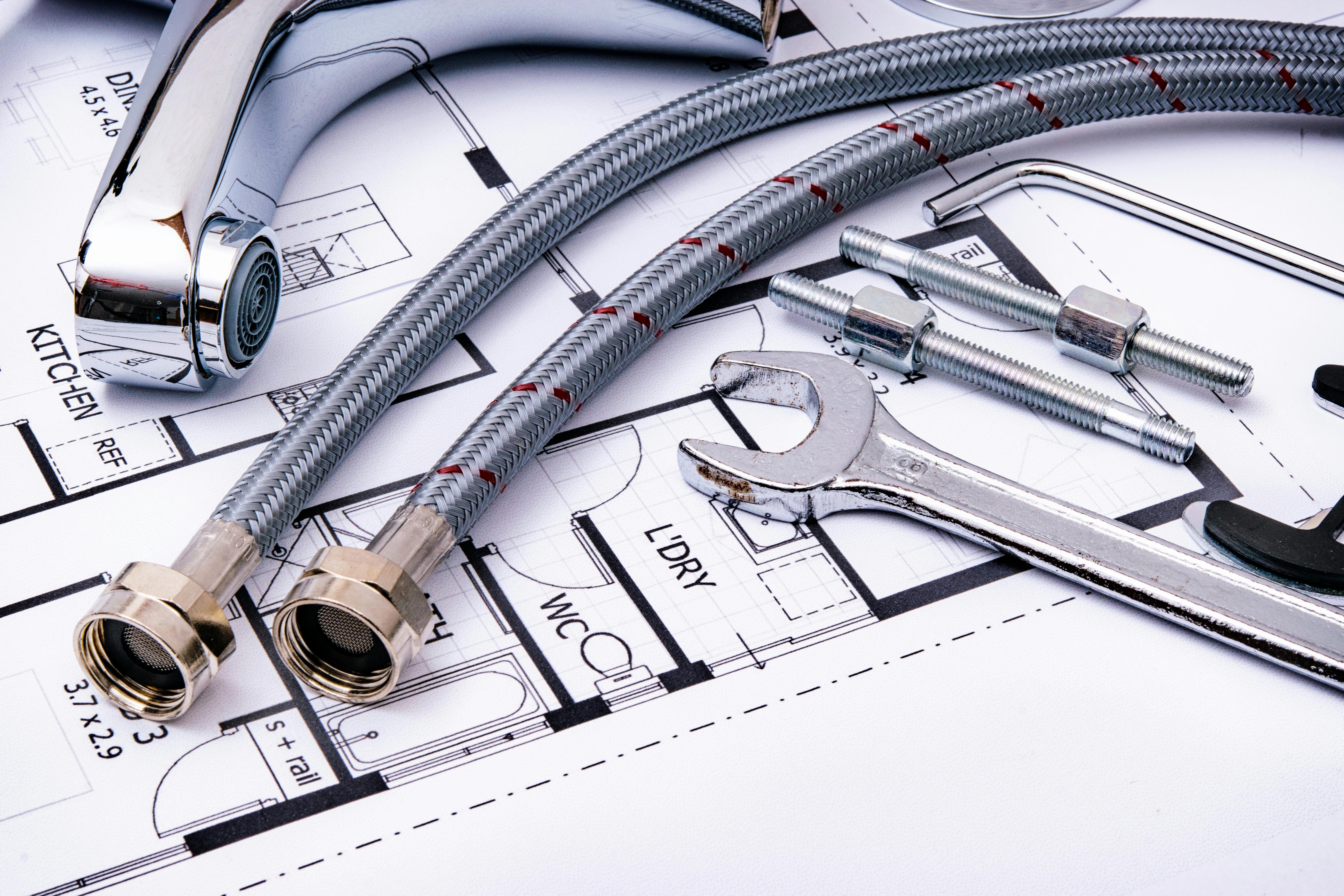
- Pipe Fittings: Components used to connect, extend, or change the direction of pipes.
- P-Trap: A type of trap used in sinks to prevent odors from sewer gases.
- Backflow: The unwanted reverse flow of water, which can contaminate the clean water supply.
Basic Maintenance Tips for Homeowners
Regular maintenance can prevent many common plumbing issues. Here are some basic tips:
- Check for Leaks: Regularly inspect pipes and fixtures for leaks, and repair them promptly to prevent water damage and mold growth.
- Clean Drains: Use natural solutions like baking soda and vinegar to keep your drains clear and avoid harsh chemicals that can damage pipes.
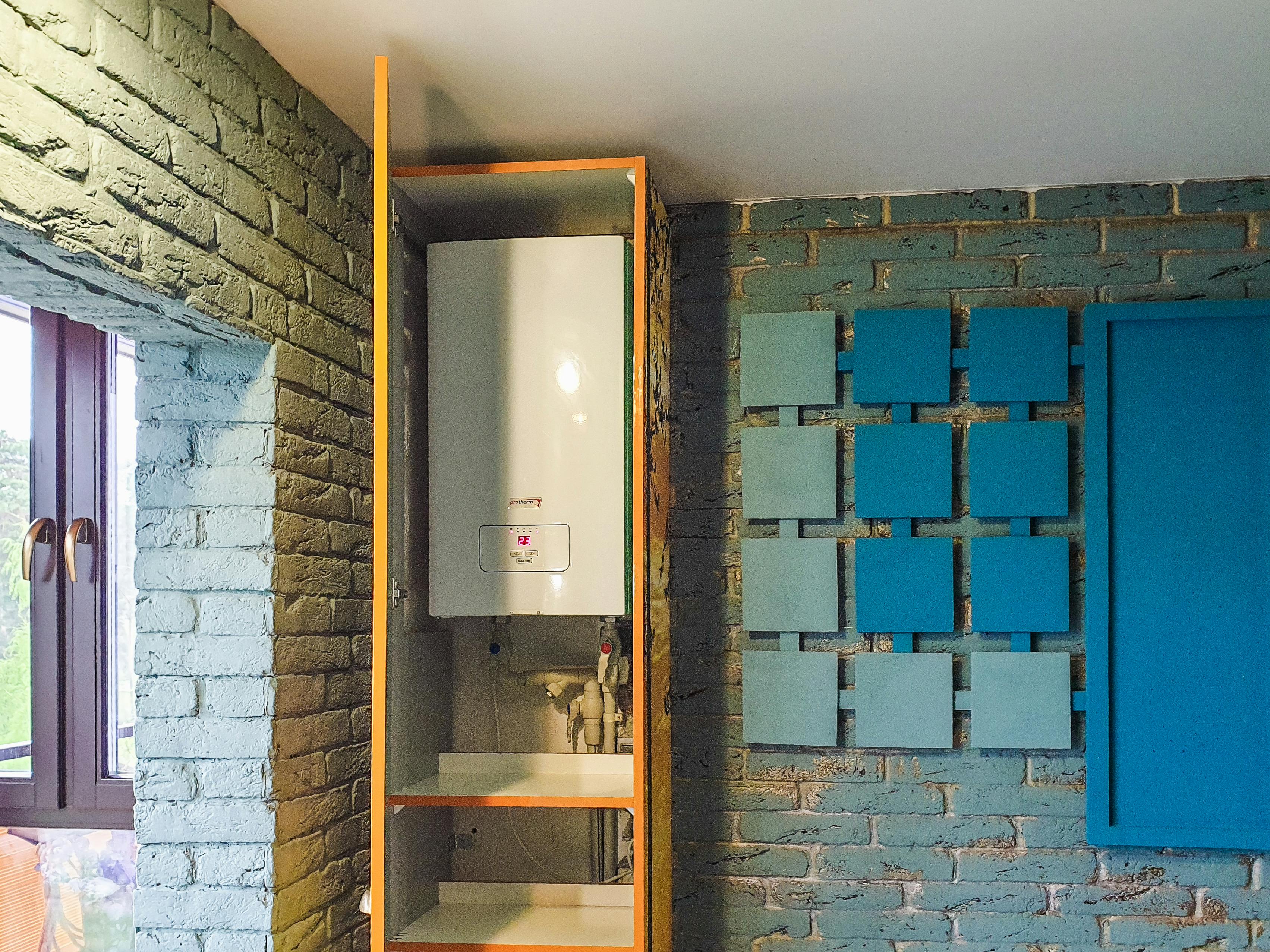
- Inspect Water Heater: Check your water heater for leaks, corrosion, and sediment build-up, and flush it annually to maintain efficiency.
- Monitor Water Pressure: High water pressure can damage pipes and fixtures, so use a pressure gauge to ensure it's within the recommended range (typically 45-60 psi).
When to Call a Professional Plumber
While understanding plumbing basics is essential, some issues require a professional's expertise. Contact a plumber if you encounter:
- Persistent Clogs: If plunging and home remedies don't clear a clog, a plumber may need to use specialized tools.
- Low Water Pressure: This could indicate a deeper issue like a leak or blockage in the main line.
- Water Heater Issues: Strange noises, inconsistent temperatures, or leaks require professional attention.
- Sewer Line Problems: Unpleasant odors or slow drainage in multiple fixtures could indicate a sewer line issue needing immediate repair.
Conclusion
By understanding the basic principles of your home's plumbing system, you can tackle minor issues and make informed decisions when professional plumbing services are necessary. If you need expert help, RG England Plumbing in Thousand Oaks is ready to assist with any plumbing challenge, ensuring your home's system runs smoothly and efficiently.
Feel free to contact us for reliable plumbing services or to schedule a maintenance check. Stay informed, stay prepared, and keep your plumbing in top condition!